

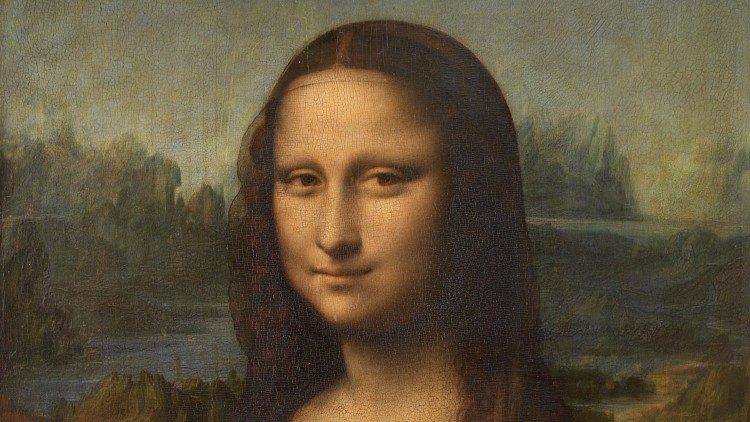
The Louvre Museum is one of the most popular tourist destinations not only in Paris but in the world. More than eight million people pass through the halls of this museum each year in order to see the extraordinary works of art that have been amassed over the centuries. Bringing together art from eight different departments, the Louvre presents about 35,000 works from diverse cultures, times periods and in various forms.
Upon arriving at the Louvre, the one thing that most first-time visitors notice is the size of the museum. With a surface measuring over 200,000 square meters, it is impossible to see everything that this museum offers in just one visit. On the other hand, there is something for everyone to enjoy at the Louvre. Its wide range of collections includes antiquities from all regions, sculptures from Antiquity until the Middle Ages and paintings from the Middle Ages until 1848.
The history of the Louvre can be traced back to King Louis XII, who acquired several Italian paintings in the 16th century. Following in the footsteps of Louis XII, François I began to assemble a collection of paintings that were not intended for interior decoration, as was normally the tradition, but for independent exhibition. It was François I who acquired Leonardo da Vinci's Mona Lisa, for example. Throughout history, other French kings continued to add to the collection and a project for a museum began to take shape throughout the 17th and 18th centuries. A museum was finally inaugurated in 1793 and this museum became known as the Musée royal du Louvre in 1816.
Info Paris (clic below)
Paris by Night,Weather,
Embassies,
Cults,
Maps
Glossary,
Popular Places,
Itineraries,
Transportation
Shopping,
Gay & lesbian info.